Blog / Difference Between Interior Designer and Interior Decorator
Thursday, 27 Aug 2026
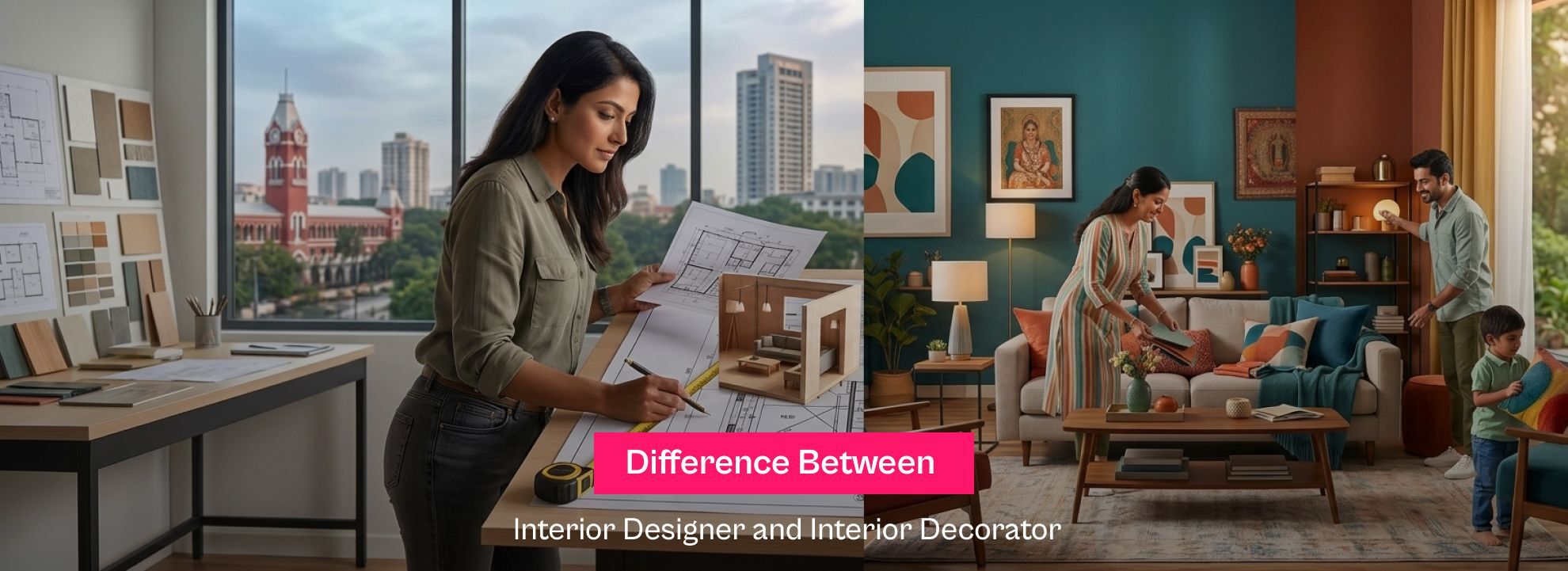
Difference Between Interior Designer and Interior Decorator
You have a beautiful living room in mind, but who actually brings it to life, an interior designer or an interior decorator?
At first glance the two may seem like the same profession. Both work with colours, furniture and materials, and both can take an ordinary room and turn it into something completely different. But here is where it gets interesting. An interior designer thinks about how a space should work, while an interior decorator thinks about how it should look and feel. That is the difference between interior design and interior decoration in a nutshell. A designer may decide where furniture goes and which materials work best, and a decorator then brings personality through colours, fabrics and accessories.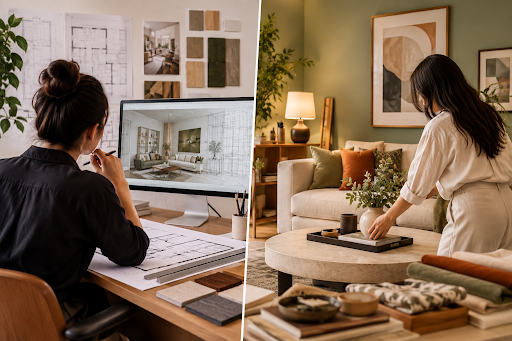
Interior designers and interior decorators are more different than they first appear, and the gap goes well beyond choosing curtains versus drawing floor plans. If you are considering an interior design career, this distinction is worth understanding early on.
What Does an Interior Designer Do?
Interior design is about more than making a room look beautiful. An interior designer looks at the entire space and works out how it can serve the people using it better. India's National Career Service notes that designers handle space planning, layouts, furniture placement and material selection, understanding a client's needs and budget before developing layouts, selecting materials and finishes, and coordinating with vendors right through execution. An interior designer plans the space before styling it, and that planning is the underlying structure everything is built on.
What Does an Interior Decorator Do?
Now imagine the basic space is already ready, with the walls finished, the flooring done and the electrical points in place. This is where an interior decorator makes a major difference. A decorator works with the visual personality of a space, and interior decorator responsibilities can include colour schemes and furnishings, fabrics and artwork, mood boards and other decorative elements. A decorator is essentially working out what a space should feel like when someone walks into it, whether warm, minimal, dramatic or traditional, and that answer shapes every decorative decision.
Difference between Interior Designer vs. Interior Decorator
Imagine designing a new café. The designer decides where the reception desk goes and which materials are practical, while the decorator picks the wall colour, the chairs and the decorative elements that give the café its personality. Both shape the final experience, just from different angles.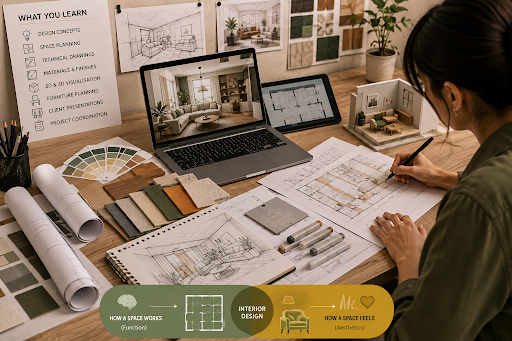
- Educational Requirements and Qualifications
If you are thinking about an interior design career, education gives you a strong foundation. An aspiring designer can pursue a diploma, undergraduate programme or specialised interior design course, while decoration can be learned through targeted interior design training and hands-on experience. What matters most is knowing whether your interest lies in how a space works or how it feels.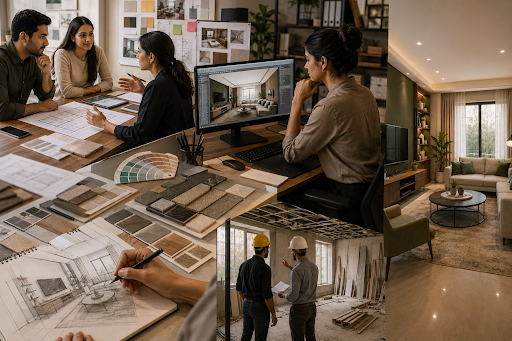
- Scope of Work: Designer vs Decorator
A project rarely begins with a sofa or a colour palette. It usually begins with a conversation about what the client needs, who will use the space and what the budget allows. From there, the designer develops layouts, selects materials and prepares visuals before execution begins. Planning and development sit at the heart of these interior design responsibilities, right alongside project management and design development, because a beautiful idea still has to work in the real world.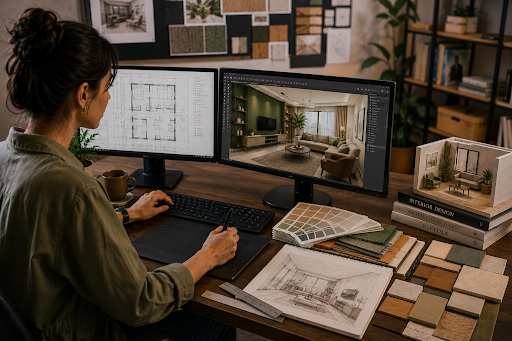
- Tools and Technical Know-How
Interior design has moved well beyond pencil sketches. Designers now lean on interior design software to build drawings, 3D models and design visualisation, so clients can picture a space before work even begins. At dreamzone, interior design education ties creative thinking to these practical processes, helping students bridge the gap between an idea on paper and a finished space.
- Project Types and Client Engagement
Interior designers work across homes, offices, restaurants and cafés, retail stores, hotels and other commercial interiors, and decorators show up in many of these same spaces too, especially where styling takes centre stage. The bigger the project, the more it demands real project coordination, since more scope means more moving parts.
- Collaboration With Other Professionals
An interior designer rarely works alone, and is often collaborating with architects, contractors and material suppliers along the way. The job is not just about having a good eye for design. It is just as much about listening, explaining ideas and bringing different parts of a project together.
Career Opportunities and Income Potential
A career in interior design can lead to roles such as Assistant Interior Designer, Residential or Commercial Interior Designer, Kitchen Designer, 3D Visualiser, Interior Stylist or Design Consultant. IMARC Group's 2026 report estimated the India interior design market at USD 36.9 billion in 2025, projected to reach USD 74.7 billion by 2034, and AmbitionBox's 2025 data puts interior designer salaries at roughly ₹1.3 lakh to ₹7 lakh a year for those with 1 to 9 years of experience, varying by location and specialisation.
How an Interior Design Course Can Help You Build Your Career
Maybe you are the one who rearranges furniture at home, or you notice a café's lighting before you glance at the menu. That kind of curiosity is often where an interior design career begins. At dreamzone, the Interior Design course walks students through concepts, space planning, drawings, materials and visualisation, building a foundation for anyone interested in interior architecture and design.
Conclusion
Whether you lean toward interior design or interior decoration comes down to what excites you most. Planning spaces and layouts point toward interior design, while colours and visual details point toward interior decoration. Many people are drawn to both, and that is fine too, since the best spaces need good planning and good taste, which is why interior designers and interior decorators so often work side by side. Check out the best interior design course at dreamzone and start building your creative career.
Frequently Asked Questions


Corporate Headquarters
No. 25, Dr. Radhakrishnan Salai, Mylapore,
Chennai - 600 004, Tamil Nadu, India.
+91 98843 85048


Flagship Events
Trending Courses
Fashion Design
Interior Design