Blog / Design Education Is Becoming an Entrepreneurship Opportunity in India
Sunday, 30 Aug 2026
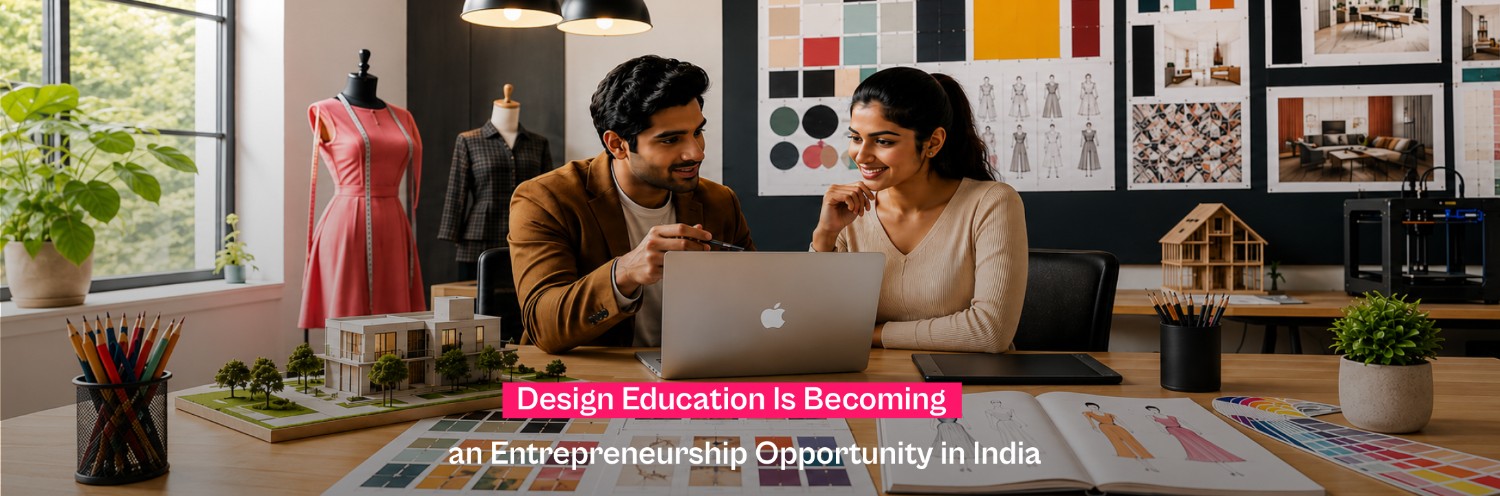
Design Education Is Becoming an Entrepreneurship Opportunity in India
What if the next big educational opportunity in India is not limited to traditional academic subjects, but is built around creativity, technology and design? As businesses become more visual and digital, the demand for people who can create engaging spaces, products, graphics, fashion and digital experiences is growing.
Design education in India is therefore moving beyond conventional classroom learning. Students, graduates and working professionals are increasingly looking for practical, industry-oriented programmes that can lead to careers as well as independent business opportunities.
For entrepreneurs, this presents an interesting possibility: instead of entering the design industry as a professional, they can build a business that helps train the next generation of designers.
The Changing Landscape of Design Education in India
Design education in India is evolving as creativity becomes increasingly connected with technology and digital platforms. A technology-driven approach is now becoming an important part of modern design courses, with learners being introduced to tools and applications used in areas such as 2D and 3D modelling, UI/UX, animation, fashion and interior design. At the same time, institutional growth is making specialised design education more accessible to students beyond major metropolitan cities, creating new opportunities for quality training in emerging cities and towns.
The rise of digital design education is further transforming the learning experience, helping students understand how design is applied across websites, social media, e-commerce, advertising and digital products. Together, these changes are creating a broader and more dynamic design education ecosystem in India.
The Growth of Design Education in India

The opportunity is closely connected to the growth of India's wider creative and digital economy. India's media and entertainment sector grew by around 9% in 2025 and is projected to reach approximately ₹3.3 lakh crore by 2028. Digital media, advertising and other technology-driven segments are major contributors to this expansion.
This growth matters for education because every expanding creative industry needs a continuous pipeline of trained professionals. For an entrepreneur, that creates a valuable connection between education and business opportunity. A well-positioned design institute can serve students who want careers in fashion, interiors, graphics, animation, UI/UX and other creative fields.
Trends Shaping the Future of Design Education in India
Two major trends are particularly important for the future of the sector.
Technology integration is making design education more practical and industry-oriented. At the same time, digital product development is creating demand for professionals who understand visual communication, user experience and digital interfaces. India's digital advertising market is also projected to nearly double to US$22 billion by 2030, reflecting the growing importance of digital communication and content.
Integration of Technology in Design Courses
Today's designers work with a wide range of digital tools. Depending on the specialisation, these can include graphic design, 3D modelling, visualisation, animation, UI/UX and digital fashion applications.
Tools such as Adobe Creative Cloud have become an important part of many creative workflows, helping designers create, edit and present professional work. For design institutes, this means curriculum development must keep pace with changing technologies rather than relying only on traditional teaching methods.
Rise of Entrepreneurship and Independent Design Studios
Design education is also creating entrepreneurs.
A student who learns fashion design can eventually establish a fashion label. An interior design graduate can work independently or build a design studio. A graphic designer can develop a branding or digital creative business.
This creates a cycle in which education does not simply prepare students for employment; it can also prepare them for entrepreneurship. For education entrepreneurs, this represents a long-term growth opportunity because every new generation of aspiring designers creates potential demand for quality training.
Why Design Education Matters in Today’s India

Design is no longer limited to the fashion or advertising industries. It contributes to branding, technology, construction, retail, entertainment, manufacturing, media and digital businesses.
Economic Expansion
India's expanding digital economy is increasing the need for creative professionals. The Government's continued focus on India's creative ecosystem also highlights the importance of animation, gaming, digital media and other technology-led creative industries. In 2026, the Government launched the Create in India Challenge Season 2 to encourage innovation and talent development across these areas.
Global Competitiveness
Indian designers increasingly have opportunities to work with brands, agencies and organisations beyond the domestic market. Strong design education can help learners understand international standards, digital workflows and contemporary creative practices.
Digital Transformation
From social media campaigns to mobile applications and e-commerce platforms, businesses now depend heavily on visual communication. This digital transformation is expanding the role of designers across industries.
From Growing Demand to Business Opportunity: The Rise of Design Education Entrepreneurship
Here is where the opportunity becomes particularly interesting.
The business trend is clear: industries are becoming more design-led, while learners are looking for specialised education that connects creativity with technology. This creates a high business opportunity for entrepreneurs who can provide accessible, structured and industry-oriented design education.
However, starting an institute independently can involve challenges such as developing courses, establishing a brand, recruiting faculty, creating marketing systems and building operational processes. This is where franchising can provide a different path.
How Dreamzone Opens Up a Design Education Franchise Opportunity for Entrepreneurs
For entrepreneurs looking to enter the creative education sector, Dreamzone offers an opportunity to become part of an established creative education network with a focus on design and creative learning. The brand offers programmes across areas such as Interior Design, Fashion Design, Animation & Graphics and other creative disciplines, helping learners develop practical knowledge for today's evolving design industry.
The Dreamzone franchise model is designed to support entrepreneurs across important areas such as location selection, centre planning, infrastructure, software and hardware requirements, faculty recruitment, marketing and centre operations. For those exploring an Education Franchise In India, this provides an opportunity to enter the growing creative education sector with the support of an established brand, rather than building an institute completely from the ground up. More importantly, becoming a Dreamzone franchise partner allows entrepreneurs to contribute to the growth of design education while building a business around a sector driven by creativity, technology and changing career aspirations.
Future of Design Education Beyond 2030
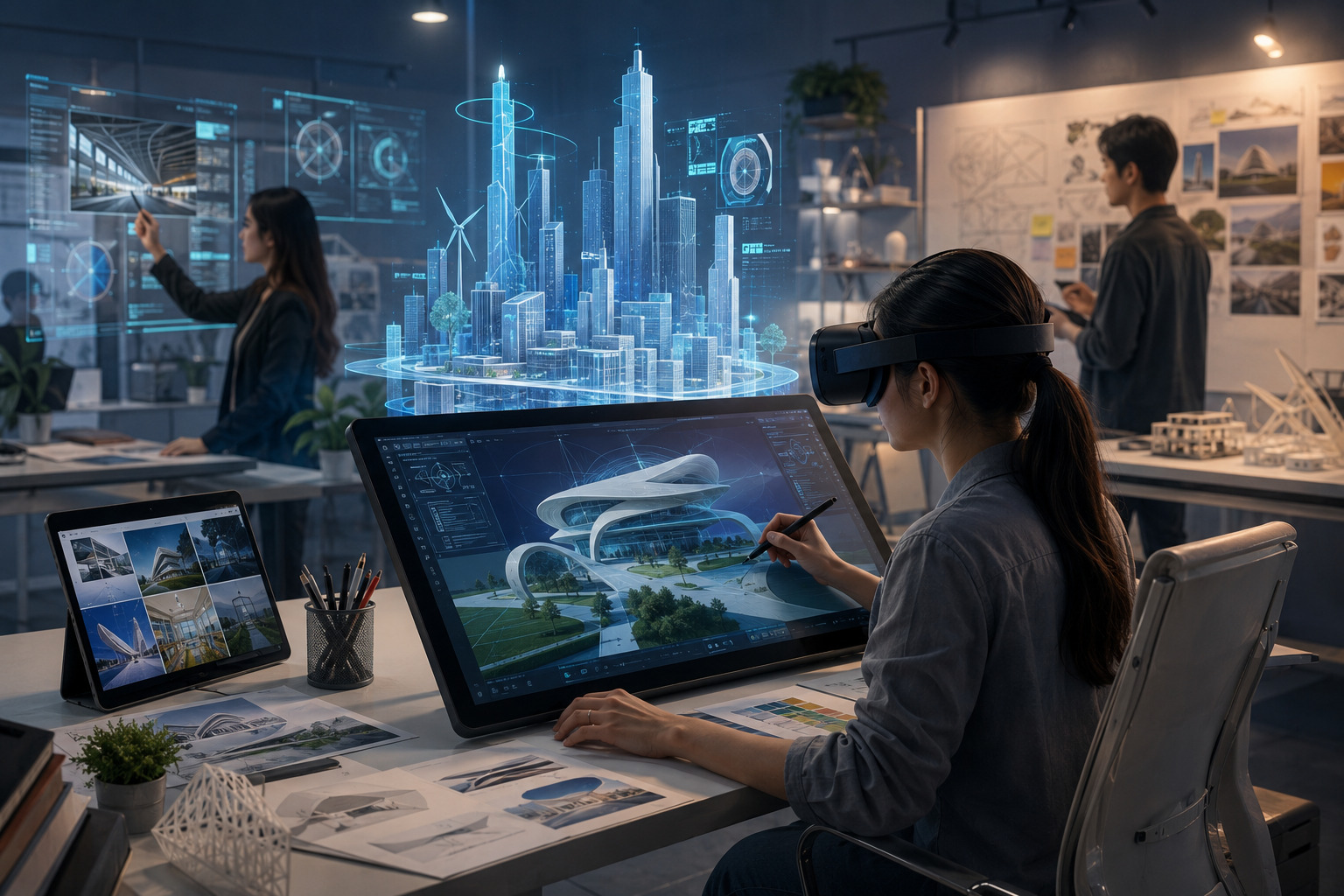
The future of design education is likely to become even more technology-driven. Digital modelling, immersive visualisation, AI-assisted creative workflows, virtual collaboration and interactive design experiences could become increasingly common.
The opportunity will not simply be about teaching software. Successful design education will need to combine creative thinking, technology, practical projects and an understanding of how design is used in real businesses.
This makes the expansion of design education an opportunity with relevance well beyond 2030.
Conclusion
The growth of India's creative and digital economy is changing the way people think about design education. What was once viewed mainly as a career-focused field is increasingly becoming part of a broader entrepreneurship ecosystem. For entrepreneurs, this creates an opportunity to build an education franchise opportunity around a sector that connects creativity, technology and business.
Partnering with Dreamzone offers a structured route into this growing market, supported by an established creative education network, multiple design programmes and franchise support. If you are looking for the most profitable education franchise opportunity, profitability should never be considered in isolation. The stronger question is whether the sector has long-term demand, whether the business model can scale and whether the brand can support you as you grow.
Design education brings these elements together - and Dreamzone allows entrepreneurs to become part of that journey.
Frequently Asked Questions

Corporate Headquarters
No. 25, Dr. Radhakrishnan Salai, Mylapore,
Chennai - 600 004, Tamil Nadu, India.
+91 98843 85048


Flagship Events
Trending Courses
Fashion Design
Interior Design