Blog / Top 10 Skills Every Interior Designer Must Learn in 2026
Sunday, 24 May 2026
Top 10 Skills Every Interior Designer Must Learn in 2026
A beautifully designed space today is no longer judged only by appearance. People now expect homes, offices, cafés, and commercial spaces to feel functional, personalized, and emotionally connected to their lifestyle. This shift is transforming the entire design world and creating new opportunities for students entering an interior design career.
In 2026, clients are becoming more design-aware than ever before. Social media platforms, AI-powered visual tools, smart homes, and modern architecture trends are changing how people experience interiors. Because of this evolution, learning the right interior designer skills has become extremely important for anyone planning to build a successful future in design.
Interior design today combines creativity, technology, communication, sustainability, and business understanding together. Designers are expected not only to create beautiful spaces, but also to solve problems, improve functionality, and create meaningful experiences for people living inside those environments.
Why Interior Design Skills Matter More Than Ever in 2026
The global interior design industry is expanding rapidly because people now spend more time focusing on lifestyle, comfort, and productivity within their spaces. Residential interiors, commercial offices, hospitality projects, and smart homes are all evolving together.
Modern clients also expect modern interior designers to deliver spaces that feel highly customized and visually immersive. Technologies like 3d interior visualizations are helping clients experience spaces before construction even begins. At the same time, demand for a personalized space has increased because people want interiors that reflect individuality instead of generic designs.
This changing market is increasing the importance of future-ready design competencies.
Space Planning and Functional Design
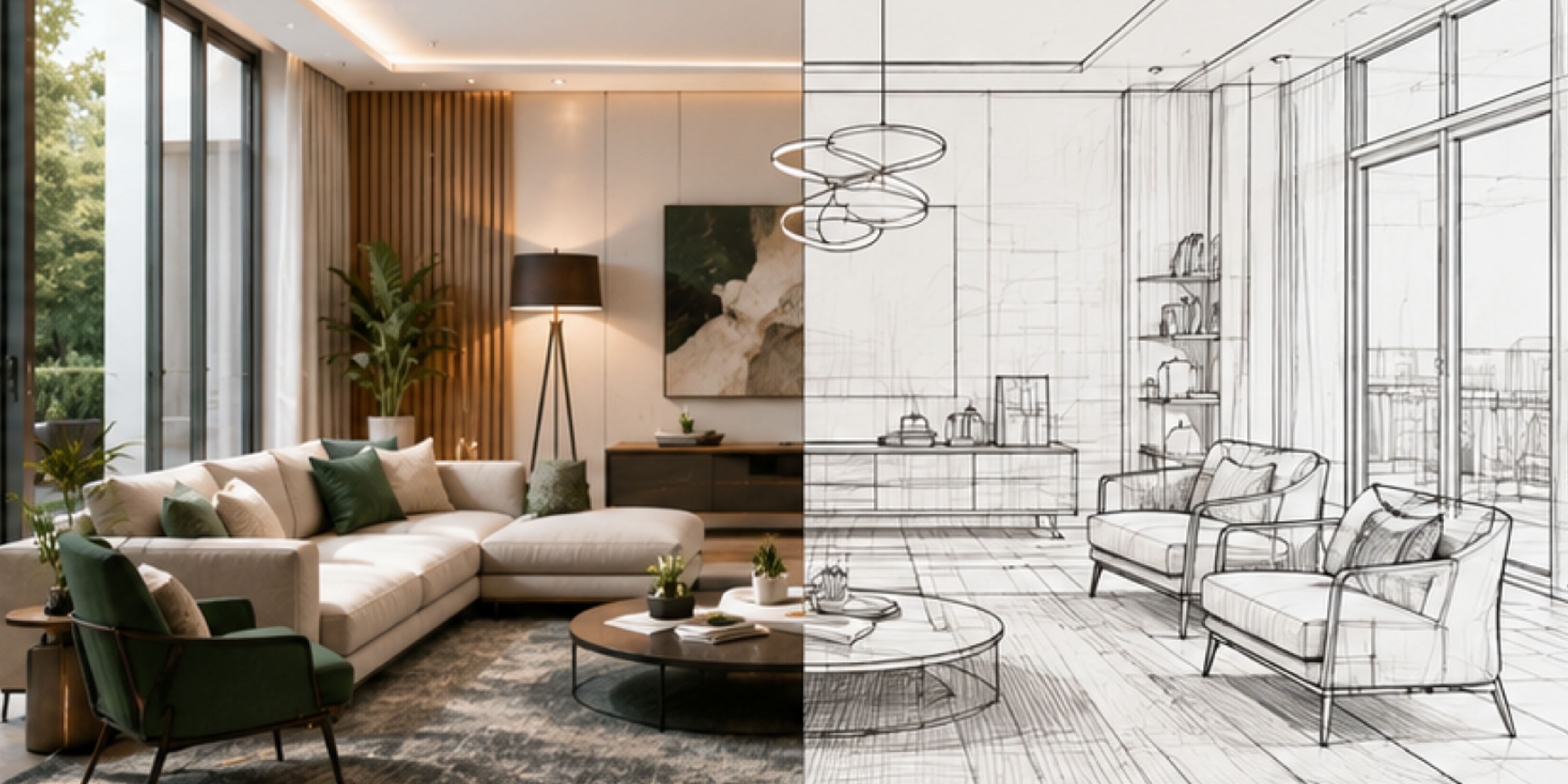
One of the most Important skills for interior designers is understanding how spaces function. A beautiful design becomes ineffective if movement, usability, and comfort are ignored.
Good designers carefully plan furniture placement to improve accessibility, movement, and functionality within a room. Understanding ergonomic design is equally important because interiors must support comfort and practical living.
As urban homes become more compact in India, space optimization has become one of the most valuable interior design competencies in 2026.
3D Visualization, Rendering & Software Skills
Clients today rarely rely only on sketches or verbal explanations. They want immersive digital previews before approving projects. This has made 3d visualization one of the most important technical competencies for interior designers.
Modern designers use advanced rendering software to transform interior concepts into realistic visual presentations. These tools help clients understand lighting, materials, textures, and layouts clearly before execution begins.
The rise of virtual presentations has also changed client communication. Designers now present ideas digitally through walkthroughs, realistic renders, and animated design experiences.
AutoCAD and Interior Design Software Expertise
Interior designers in 2026 are expected to work confidently with professional technical tools. Creating accurate working drawings and technical execution plans is essential for successful project implementation.
Knowledge of technical software such as AutoCAD, SketchUp, Revit, and rendering platforms helps designers communicate accurately with architects, contractors, and clients.
Understanding how to create a proper floor plan and professional furniture layouts is now considered a core requirement in the industry.
This is also where DreamZone School of Creative Studies becomes highly relevant for students entering the design field. DreamZone focuses strongly on combining creativity with software competencies, helping learners gain practical exposure aligned with industry expectations.
Creativity and Concept Development
Technology may improve speed, but creativity remains the foundation of design. Strong creative interior design thinking helps designers create spaces that feel unique, emotional, and meaningful.
In 2026, trends like smart interiors are becoming increasingly popular as homes integrate automation, lighting controls, and intelligent systems. At the same time, biophilic design is gaining global attention because people want spaces connected to nature, greenery, and wellness.
Designers who can combine functionality with emotional storytelling will stand out strongly in the future market.
Knowledge of Colors, Materials, and Textures
Interior spaces are deeply influenced by visual psychology. Understanding color psychology helps designers create moods, emotions, and atmospheres within a space.
The right lighting combinations can dramatically change how interiors feel throughout the day. Designers must also understand the behavior and application of different interior materials including wood, stone, metal, glass, and sustainable alternatives.
Material knowledge directly impacts aesthetics, durability, maintenance, and budget planning.
Communication and Client Management Skills
Design talent alone is not enough to succeed professionally. Interior designers constantly interact with clients, vendors, contractors, and teams. This makes strong communication skills extremely important.
Designers must confidently communicate ideas through presentations, discussions, and visual explanations. Good presentation techniques help clients understand concepts clearly and build trust during projects.
Successful designers often grow not only because of creativity, but because they manage relationships professionally.
Lighting Design Knowledge
Lighting is one of the most powerful elements in interior design. Proper lighting transforms how spaces look, feel, and function.
Modern projects increasingly use smart lighting systems that can be automated and customized digitally. Designers must also understand the balance between natural and artificial lighting to improve comfort, energy efficiency, and visual appeal.
Lighting design today is considered both a technical and creative competency.
Project Management and Budget Planning
Interior design projects involve timelines, budgets, vendors, labor coordination, and execution planning. Designers who understand project management can handle real-world projects more efficiently.
Budget awareness is especially important because clients expect creative outcomes within financial limitations. Designers who can balance creativity with execution realities become more valuable in the industry.
Sustainable & Smart Interior Design Concepts
Sustainability is no longer optional in the design world. Modern interiors increasingly integrate green building concepts and environmentally responsible practices.
The rise of sustainable interior design focuses on reducing waste, improving energy efficiency, and using eco-conscious materials. Designers today are also expected to understand energy efficient materials and sustainable construction practices.
As climate awareness grows globally, sustainable design competencies are becoming highly valuable.
Portfolio Development and Personal Branding
In today’s digital world, a designer’s visibility matters significantly. A strong portfolio helps showcase creativity, technical competency, and project diversity.
At the same time, personal branding has become essential within the competitive interior design industry. Many successful designers build recognition through social media, websites, LinkedIn, and visual storytelling platforms.
A well-presented portfolio often creates stronger opportunities than qualifications alone.
Career Opportunities for Skilled Interior Designers in 2026
The future of the design industry looks extremely promising. Growing urbanization, real estate expansion, hospitality growth, and smart living trends are increasing demand for skilled designers.
An interior design career today offers opportunities across residential design, commercial spaces, furniture design, retail interiors, exhibition design, set design, and luxury lifestyle sectors.
The rise of technology-driven interiors is also expanding interior design career opportunities globally.
How Interior Design Courses Help Students Build These Skills
A strong professional interior design course helps students combine creativity, technical knowledge, software exposure, and practical execution skills together.
Modern industry training programs focus heavily on real-world applications instead of theory alone. Students gain practical knowledge through projects, software training, design presentations, and portfolio development.
Dreamzone School of Creative Studies focuses on preparing students for the evolving creative industry by combining technical learning, design thinking, and industry-oriented exposure within its interior design programs.
Conclusion
The future of interior design is becoming more technology-driven, sustainable, and experience-focused than ever before. Designers in 2026 must combine creativity with technical competency, communication, and future-ready thinking to stay competitive.
As the industry evolves, choosing the best interior design course becomes extremely important for students planning long-term success in the creative field. Learning modern design tools, visualization techniques, sustainable concepts, and project execution skills will shape the next generation of successful interior designers.
Interior design is no longer only about decoration. It is about designing experiences, solving lifestyle problems, and shaping how people live every day.
Frequently Asked Questions
Category:Interior DesignTags:best interior design course, career in interior design, interior design course, interior designer


Corporate Headquarters
No. 25, Dr. Radhakrishnan Salai, Mylapore,
Chennai - 600 004, Tamil Nadu, India.
+91 98843 85048


Flagship Events
Trending Courses
Fashion Design
Interior Design




© Dreamzone , All rights reserved